

GNPT Publications
View & Download Our Reports:
Barriers and Opportunities for the Electrification of Popular Transport
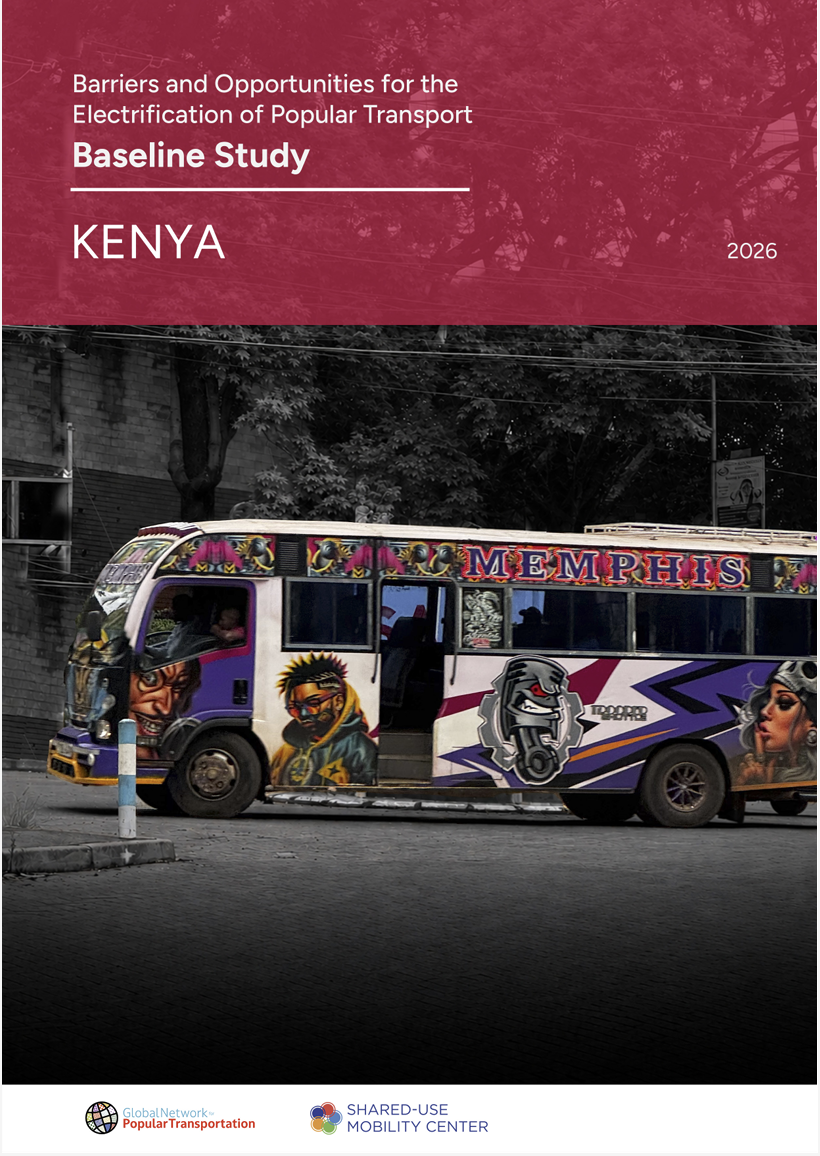
KENYA BASELINE
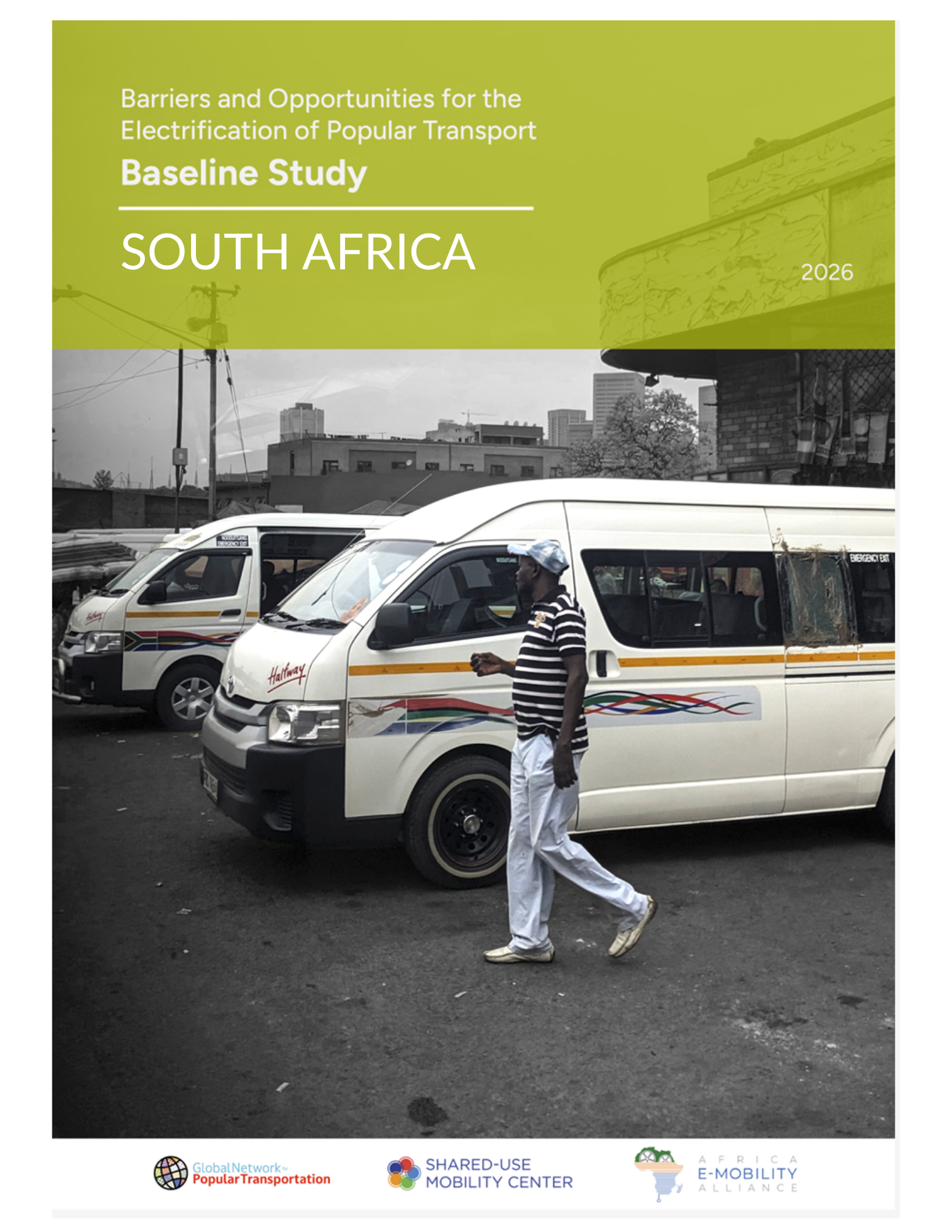
SOUTH AFRICA BASELINE
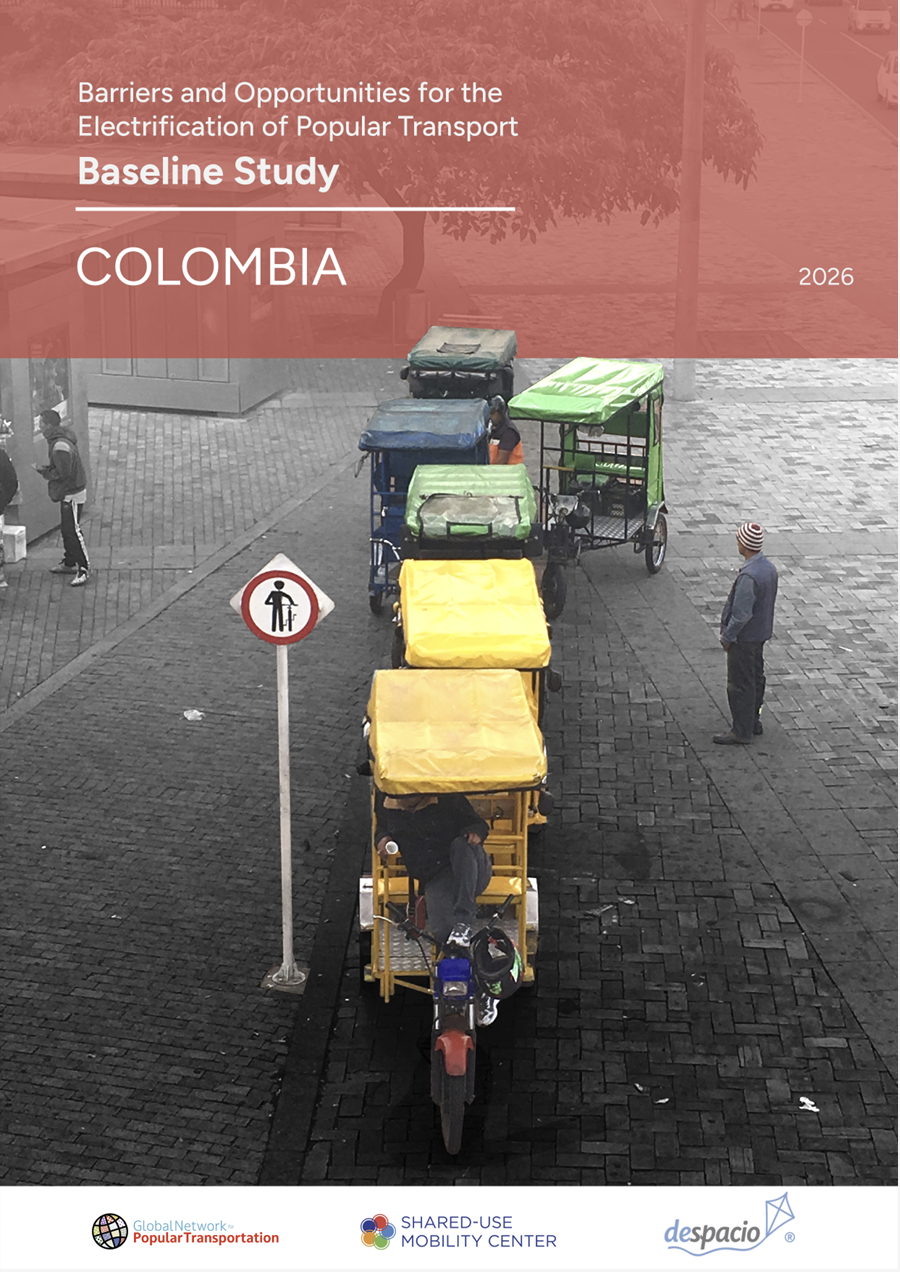
COLOMBIA BASELINE
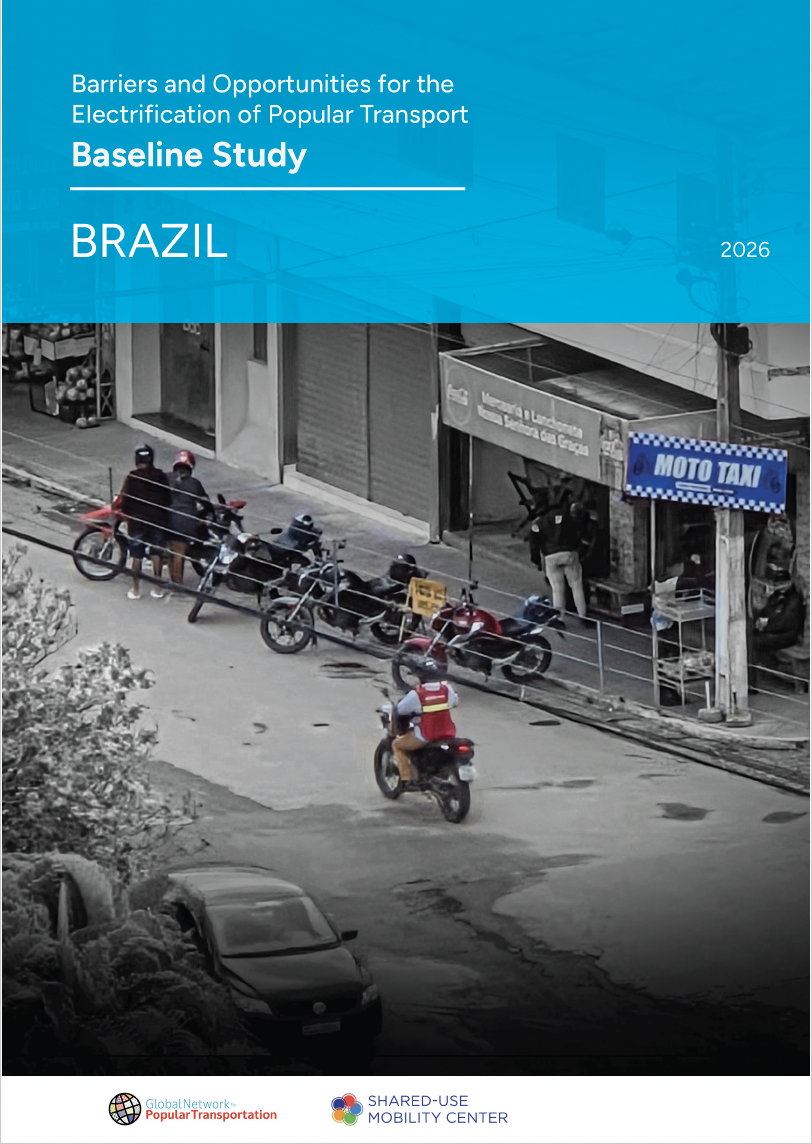
BRAZIL BASELINE
Integrating popular transport into policy and planning can avoid further increases in per capita GHG generation by disincentivizing the shift to private car ownership and use and by improving shared mobility and public transport networks.
"The Global Network for Popular Transportation aims to equip change leaders and strengthen their capacity to work together to make local and national electrification policies and plans inclusive of popular transportation.
These baseline studies were developed by the Global Network for Popular Transportation, a project of the Shared-Use Mobility Center, with support from the Drive Electric Campaign.
Through the work of local consultants, we are developing nine country-level baseline studies to better understand the current situation of popular transportation (including 2Ws, 3Ws, minibusses, or other vehicles used for this purpose) and electrification, to identify champions, key stakeholders, emerging policies, and opportunities to incorporate popular transport into electrification policy and planning in the following countries:
Kenya, South Africa, Indonesia, Vietnam, Thailand, Chile, Colombia, Mexico, and Brazil.
These baseline studies will lay the groundwork for climate and transport change leaders to better understand the benefits of electrifying the popular transport sector, the sector's electrification needs, and policy opportunities to help bridge those gaps. This work aims to identify levers that will equip relevant change leaders (and their local and national networks) with areas for engagement, mobilization, and action.

Glossary of Popular Transportation (web)


The Role of 2&3 Wheeler Popular Transport Services in the Global South (web)
Motorized 3Ws and their potential for just mobility in Caribbean urban areas
Motorized three-wheelers and their potential for just mobility in Caribbean urban areas: With the support of CAF and in partnership with University College London, we carried out research on the role of motorized three-wheelers and their contributions for just mobility in Colombia and Costa Rica.

A Closer Look at Informal (Popular) Transportation: an emerging portrait

Applying Learning Questions on Informal Economies to Informal Transportation

Who counts what? What counts where? A global scan of data collection efforts in informal and shared mobility

Informal Transport Counts! Reimagining the Techno-Social Infrastructure for Collecting Data on Informal and Shared Mobility in LMICs

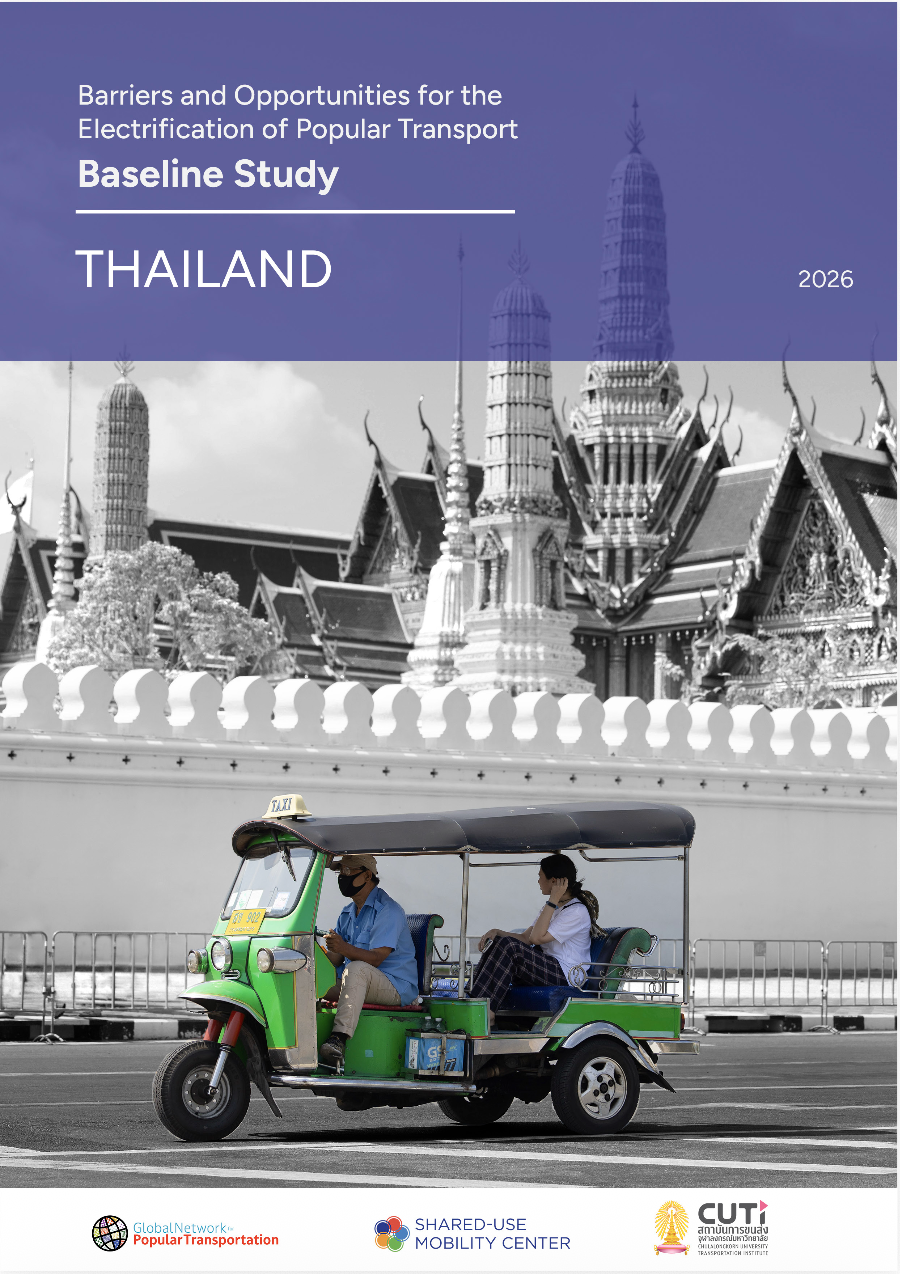
THAILAND BASELINE
Encyclopedia of Popular Transport in Central America (Spanish)
Encyclopedia of Popular Transport in Central America (in Spanish): Through a crowdsourcing exercise with the support of the UK Embassy in Costa Rica, and in partnership with University College London and the Centro Para la Sostenibilidad Urbana in Costa Rica, we collected information regarding the names, characteristics and perceptions around popular transportation in Central America.
Glossary of Popular Transportation: With the support of UNDP and Living Labs in Lebanon, Guatemala, Bolivia, Macedonia, Togo and Indonesia and Kenya, we developed a Glossary of Popular Transportation, with key insights regarding the operations, image and soundscape around popular transportation in different contexts around the world.
The role of 2&3 Wheeler Popular Transport Services in the Global South: Developed with the support of Uber, these “explainers”, or short documents cover the key trends, challenges, innovations and contributions of 2&3 Wheeler Popular Transport Services in topics such as safety and security, equity and inclusion, electrification, economies, and road safety. (PDFs forthcoming)
A Closer Look at Informal (Popular) Transportation: With the support of UNDP Accelerator Labs Network we explored different dimensions of popular transportation, including sustainability, digitalization, operations, and vulnerabilities, providing an overview and better understanding of popular transport in different contexts around the world.
Applying Learning Questions on Informal Economies to Informal Transportation: This preliminary analysis, conducted with the support of UNDP through a desk review and interview with experts, sought to answer six learning questions on informal economies to better understand the sector and its characteristics.
Who counts what? What counts where? A global scan of data collection efforts in informal and shared mobility: With the support of VREF, we conducted a scan of who collects data, what type of data and in which topics around informal and shared mobility.
Informal Transport Counts! Reimagining the Techno-Social Infrastructure for Collecting Data on Informal and Shared Mobility in LMICs: Through a participatory workshop, we identified potential ways of closing the gaps in data collection efforts in LMICs.

Global NDC Template for Popular Transport
Despite handling an estimated 68% of motorized trips worldwide, popular transport is underrecognized in Nationally Determined Contributions (NDCs). This template acknowledges that potential and aims to integrate popular transport into global climate action, helping countries incorporate it into their 2025 NDC submissions alongside existing frameworks for rail, public transport, and active mobility.

Popular Transport of Goods in Africa
Despite moving millions of people and goods daily, research, data, and resources on the popular (informal) transport sector remain scarce. To address this gap, the Kühne Climate Center and the Global Network on Popular Transportation have committed to ensuring popular transport is included in conversations about transitioning logistics and supply chains in ways that are both inclusive and sustainable. This brief serving as an initial exploration of that topic in the African context.